

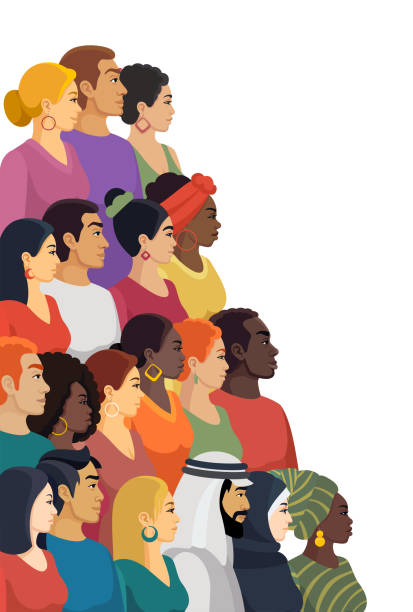
Culture represents the traditions, beliefs, values, creativity, and shared experiences that define societies across the world. It influences how people communicate, celebrate, create, and understand their place within their communities. As globalization connects nations more closely than ever before, culture continues to evolve while preserving its unique identity.
Every culture tells a story through language, music, art, architecture, cuisine, and traditions. These elements provide valuable insight into history while strengthening the sense of belonging shared by communities across generations.
Technology has transformed cultural exchange by making information instantly accessible worldwide. Digital platforms allow artists, writers, filmmakers, and educators to share their work with international audiences, encouraging appreciation for diverse traditions and perspectives.
Cultural diversity also fuels creativity and innovation. Businesses, educational institutions, and creative industries benefit from bringing together individuals with different backgrounds and experiences. Collaboration across cultures often produces fresh ideas and meaningful solutions.
Travel remains one of the most enriching ways to experience culture. Exploring local customs, historical landmarks, traditional festivals, and regional cuisine creates deeper understanding while encouraging mutual respect between people from different parts of the world.
Preserving cultural heritage has become increasingly important as societies modernize. Museums, historical sites, community organizations, and educational initiatives help protect traditions while ensuring future generations remain connected to their roots.
Ultimately, culture is not static—it grows with every generation while maintaining the values that define communities. By celebrating diversity, preserving heritage, and encouraging dialogue, culture strengthens global understanding and reminds us that our differences enrich rather than divide humanity.




Leave a Reply